
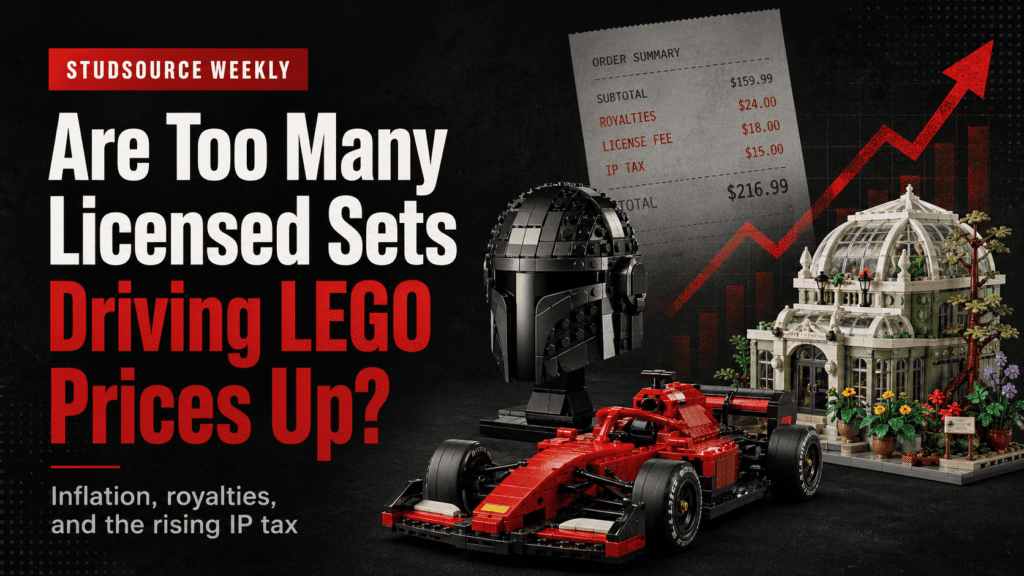
If you’ve looked at a LEGO price tag anytime in the last few years and thought, “Wait… since when does this cost THAT much?” — no, you’re not imagining it.
LEGO feels more expensive now because, well, it is more expensive now. But the reason isn’t as simple as “LEGO got greedy” or “everything is expensive now.”
The real answer is messier.
Pandemic-era inflation hit materials, freight, and energy hard. LEGO officially raised prices on part of its portfolio in 2022. And at the same time, the company has been leaning harder and harder into licensed themes like Star Wars, Harry Potter, Formula 1, Disney, Bluey, and Pokémon.
That mix matters.
Because it’s one thing for prices to go up when plastic, shipping, and energy all get smacked at once. It’s another thing when more and more of the lineup also comes with what fans basically call the IP tax — the extra premium that seems to show up any time a set has a famous logo on the box.
So… did LEGO actually raise prices after the pandemic?
Yep.
In 2022, LEGO said it would increase prices on around a quarter of its portfolio, with the bigger and more complex sets seeing the largest jumps. LEGO’s official explanation was straightforward: increased raw material and operating costs. It also said it tried to protect more affordable kids’ sets as much as possible, which is probably why the bigger adult-targeted sets felt like they got hit the hardest.
Then in its 2022 annual results, LEGO said it delivered strong growth despite extraordinary inflationary pressures on materials, freight and energy costs. That matters because it confirms this wasn’t just fans complaining online — the company was openly acknowledging the cost pressure behind the scenes.
So yes, the post-pandemic price pain was real.
The numbers behind it are kind of wild
If you crack open LEGO’s 2021 annual report, the cost increases jump off the page.
Raw materials and consumables used went from DKK 5.775 billion in 2020 to DKK 7.567 billion in 2021 — roughly a 31% increase.
Even more relevant for this conversation, licence and royalty expenses went from DKK 3.308 billion to DKK 4.481 billion, which is about a 35% jump in one year.
That doesn’t prove licensing is the reason LEGO got more expensive. But it does prove licensing is a real and growing cost line inside the business.
And when that rising royalty bill shows up at the same time as more expensive plastic, higher shipping costs, and broader inflation? Yeah, that’s not exactly a recipe for cheaper sets.
The “IP tax” is probably real
Now for the part fans feel in their wallets.
A BrickNerd analysis of 183 LEGO sets from 2021 found that licensed sets were 20% more expensive than unlicensed sets on a pound-for-pound basis. The writer is careful not to claim that the royalty itself is exactly 20%, but the end result for consumers was pretty clear: licensed sets cost more on average than non-licensed ones in that sample.
And honestly… does that surprise anyone?
Star Wars, Marvel, Harry Potter, Disney, Formula 1, Pokémon — those logos aren’t free. There are approvals, royalties, design constraints, special molds, more branding, and all the overhead that comes with using someone else’s universe.
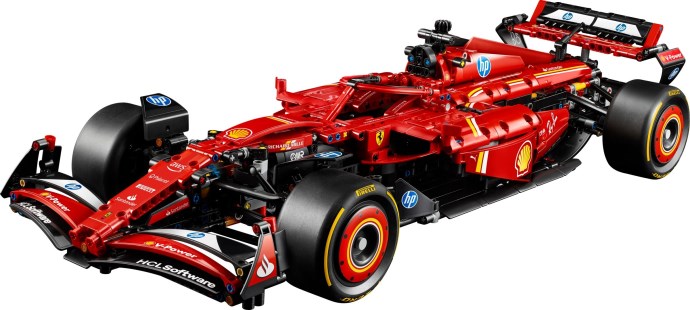
If you’re buying LEGO City or Botanicals, you’re mostly paying for LEGO. If you’re buying Star Wars or Ferrari, you’re paying for LEGO and the privilege of having Darth Vader or the Prancing Horse on the box.
That’s not a scandal. That’s business.
But it also means the more licensed sets dominate shelves, the more the average shopper starts feeling like LEGO pricing has gone off the rails.

Why it feels worse now than it used to
This is the part I think a lot of fans notice instinctively, even if they don’t say it this way:
It’s not just that LEGO has licensed sets. It’s that LEGO seems to have a lot more of them, and they increasingly sit in some of the company’s most visible, high-demand categories.
LEGO has boosted collaborations with brands such as Formula One and Nike, as well as shows like Bluey and Pokémon. That’s on top of the already massive pile of existing licenses like Star Wars, Marvel, Harry Potter, and Disney.
So even if LEGO isn’t actively pushing another big round of price hikes right now, the product mix itself may still be keeping average price expectations elevated.
In plain English: maybe LEGO isn’t charging more because it wants to. But if more of the hot lineup is premium licensed stuff, it can still feel like the whole hobby got more expensive.
And for a lot of families, it kind of has.
So are too many licensed sets causing LEGO prices to surge?
My answer: not by themselves — but they’re definitely part of the problem.
The pandemic and inflation lit the fire. Raw materials, freight, and energy poured fuel on it. Then licensing walked in with a bill of its own and made sure a lot of the most desirable sets stayed in premium territory.
That’s why I wouldn’t write this as “licensed sets ruined LEGO.” That’s too dramatic, and it ignores reality.
But I would say this: if LEGO keeps leaning harder into big-name collabs, and fans keep prioritizing those sets over LEGO’s in-house themes, don’t expect the hobby to suddenly start feeling cheap again.
Because it won’t.
The StudDad take
This is where I land on it:
Licensed sets are awesome. They’re also usually the first ones to make me mutter under my breath at a price tag.
That doesn’t mean stop buying them. It just means be smarter about which licensed sets you buy.
If it’s your white whale, fine — go for it. If it’s the set your kid is going to freak out over, even better. But if you’re just casually tossing every Star Wars, Disney, Harry Potter, or F1 set into the cart because the branding got you? That’s how LEGO becomes a mortgage payment.
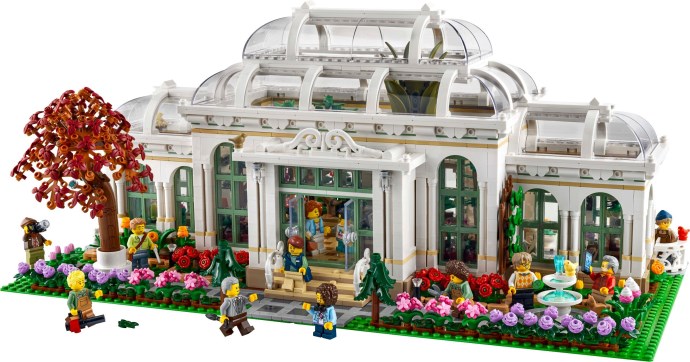
Meanwhile, some of the better value still lives outside the biggest licenses. Botanicals, Creator, City, and some LEGO Ideas stuff can still feel like “LEGO money” instead of “LEGO plus somebody else’s royalty check” money.
That’s probably the real move in 2026:
Buy the licenses you truly love, skip the ones you only kind of like, and let the deal-hunting do the rest.
StudDad can respect a good collab.
StudDad can also respect not paying full freight for one.
Final word
So yes — LEGO got more expensive after the pandemic. The company said as much, and the numbers back it up. But if you’re wondering why the hobby still feels pricey even after the worst of the supply chain chaos faded, the answer may be sitting right on the shelves: a bigger and bigger pile of licensed sets, each carrying its own little premium.
And if LEGO’s roadmap keeps stacking more big-name partnerships on top of the old ones, this probably won’t be the last time fans ask:
Are we buying LEGO… or are we buying logos?