

A couple weeks ago, I had a plan.
A real one.
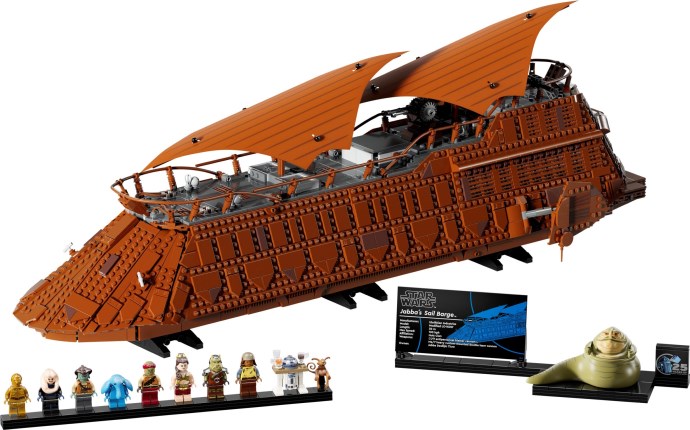
The idea was simple: get in early, stack the promos, and target the one set where the math actually made the event feel smart. For me, that was Jabba’s Sail Barge. It was one of only three sets getting 4x Insiders points, which made it one of the few parts of the whole event that felt like an actual strategy instead of just random checkout math.
Then the Sail Barge sold out.
That did not ruin the event by itself. But it did expose the bigger issue: once the strongest value play disappeared, the rest of the promo lineup started looking a lot more average.
The 4x points promo was a lot narrower than it sounded
LEGO knows 4x Insiders points sounds like a big headline. And on a premium set, it can be meaningful. But this year, that promo only applied to three sets. Once one of those was gone, the whole event instantly felt smaller.
That is really the first problem with the sale.
It was built around a tiny number of meaningful hooks. If you wanted one of those exact sets, great. If you did not, or one vanished early, the event lost a lot of its punch.
And the other problem is simple: people understand 20% off immediately
This is where LEGO.com events always have to work harder.
A lot of fans already know that other retailers regularly hit LEGO with 20% off. That is a clean, immediate discount. You feel it right away. By comparison, 4x points is delayed value. It is future store credit. It is money you need to come back and spend later.
That can still be useful, but it is not the same thing.
So when the big sale is really a points multiplier on a tiny handful of sets, it starts to feel less like a blockbuster deal and more like a loyalty-program version of a discount. That only works if the rest of the event is strong enough to carry it.
This year, I do not think it was.
The polybag restriction is one of the weirdest parts of the whole event
This is the piece that really deserves more attention.
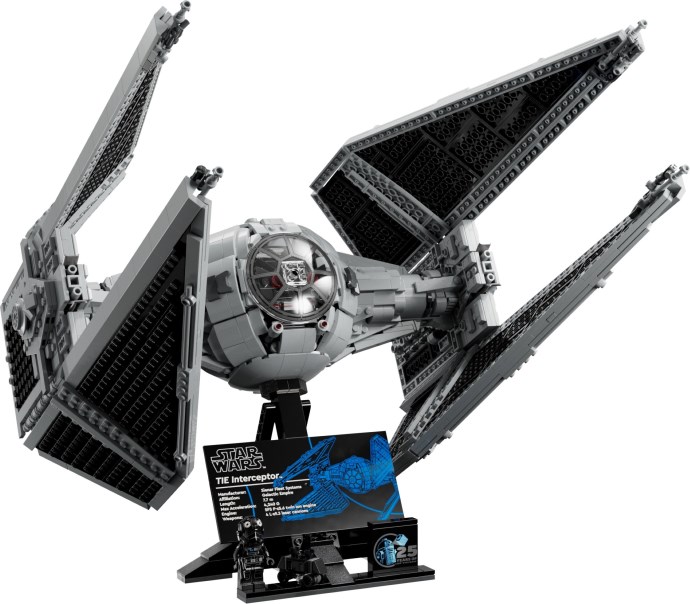
The Razor Crest mini-build polybag was not just a generic bonus for any $40+ Star Wars cart. It was tied to selected Star Wars sets, which made it a lot less useful for the people most likely to spend real money during May the 4th.
That is just a bizarre choice.
Because who is the polybag supposed to excite? On paper, it sounds like the easy little extra that rounds out the event. In reality, a lot of the biggest spends during May the 4th are the adult collectors looking at the 18+ display sets, UCS models, and other premium Star Wars builds. And LEGO basically told that audience: you can spend a ton on the biggest sets in the event, but you do not get the tiny cheap mini-build unless you also buy one of the selected smaller qualifying items.
That is not some huge outrage. It is just an odd and kind of weak piece of event design.
If anything, the little polybag should be the easiest freebie to hand to the biggest spenders. Instead, LEGO made it more complicated than it needed to be, and in doing so made the promo feel stingier than it probably intended.

The GWPs are what make LEGO.com events worth caring about
This is the real heart of it.
LEGO.com does not usually win by having the craziest instant discounts. It wins when the gift-with-purchase lineup makes the official store feel like the best place to shop anyway.
That is the tradeoff.
You tolerate the points math. You tolerate fewer direct discounts. You tolerate the premium pricing because the exclusive extras make the event feel special.
And this year, the GWPs were fine. Not terrible. Not embarrassing. Just… fine.
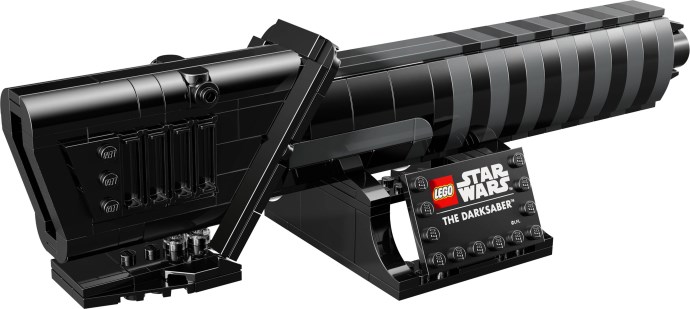
The Darksaber is decent. The Mando and Grogu display tied to the N-1 is solid. The Razor Crest mini-build is cute, but with the restrictions on it, it felt less like a fun little bonus and more like a weirdly selective carrot.
That is the problem.
If the points promo is narrow, and the direct savings are not especially impressive, then the GWPs need to be bangers. If they are only okay, the whole event starts to feel flatter than it should.
The Rakuten timing made the strategy even shakier
This is another reason the rollout felt off.
A lot of people were not just thinking about LEGO points. They were thinking about stacking. The smart play for a lot of buyers was always going to be: combine the official promo with outside cashback and make the math work that way.
And that is where timing matters.
If the better cashback angle is not there on May 1, then buyers are forced into a choice: buy early and miss the extra stack, or wait and risk losing the best-value sets and the best GWPs before the better cashback goes live.
That is a very real tension, and it made the whole event feel shakier than it should have.
If you are using Rakuten to stack savings, here’s my link:
Join Rakuten here
That stacking strategy is still worth watching, but it is a lot less exciting when the best-value part of the event is already gone and the freebies may already be thinning out by the time the extra cashback appears.
The sale was not awful. It was just underpowered.
That is the cleanest way to say it.
There were still promos. There were still freebies. There were still ways to create value if the exact sets lined up with what you wanted. But the structure was too narrow, the polybag rules were oddly restrictive, and the event did not feel flexible enough to support the way a lot of adult fans actually shop this sale.
That is what made it feel weaker than it should have.
The StudDad take
Here is where I land.
This event really only sings when the parts stack cleanly: a strong points offer, strong GWPs, and a little extra from cashback or timing.
This year, too many pieces of that stack felt off.
The 4x points were too limited.
The polybag was restricted in a way that oddly excluded a lot of the big 18+ spending.
The GWPs were decent, but not strong enough to carry the whole thing.
And if you were waiting for the better cashback angle to show up, you were also risking that the best sets and best freebies would already be gone.
That is not a meltdown. That is just not a great event design.
Final word
So no, I would not call the 2026 May the 4th sale a disaster.
But I would call it a good example of how quickly a LEGO.com event can lose momentum when the value is too concentrated, the easiest freebie is oddly restricted, and the best stacking strategy depends on timing that may not line up with day-one inventory.
That is the real story here.
Not outrage. Just a pretty simple conclusion:
If the GWPs are only okay, the polybag is restricted away from a lot of the biggest spends, and the best stack depends on cashback that is not there at launch, the biggest LEGO Star Wars event of the year starts to feel a lot less special.
Note: This post includes affiliate links. If you use them, StudSource may earn a small commission at no extra cost to you.