
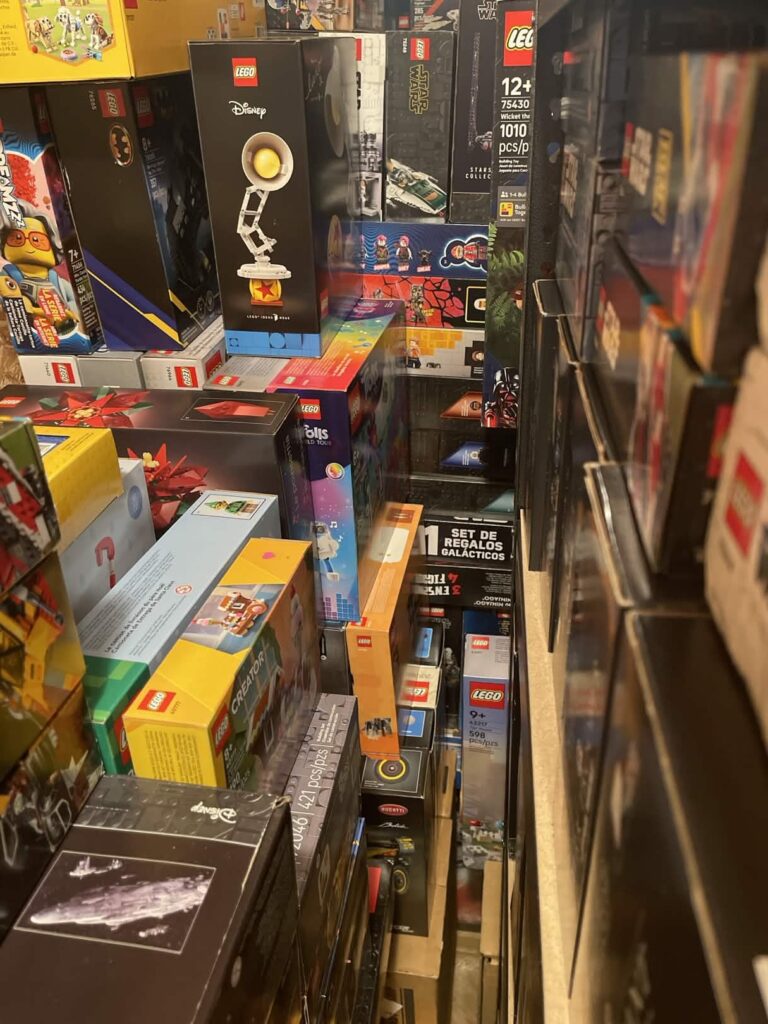
Short answer: sometimes. Longer answer: it depends entirely on which set, what you paid, and whether you are honest with yourself about why you are buying it.
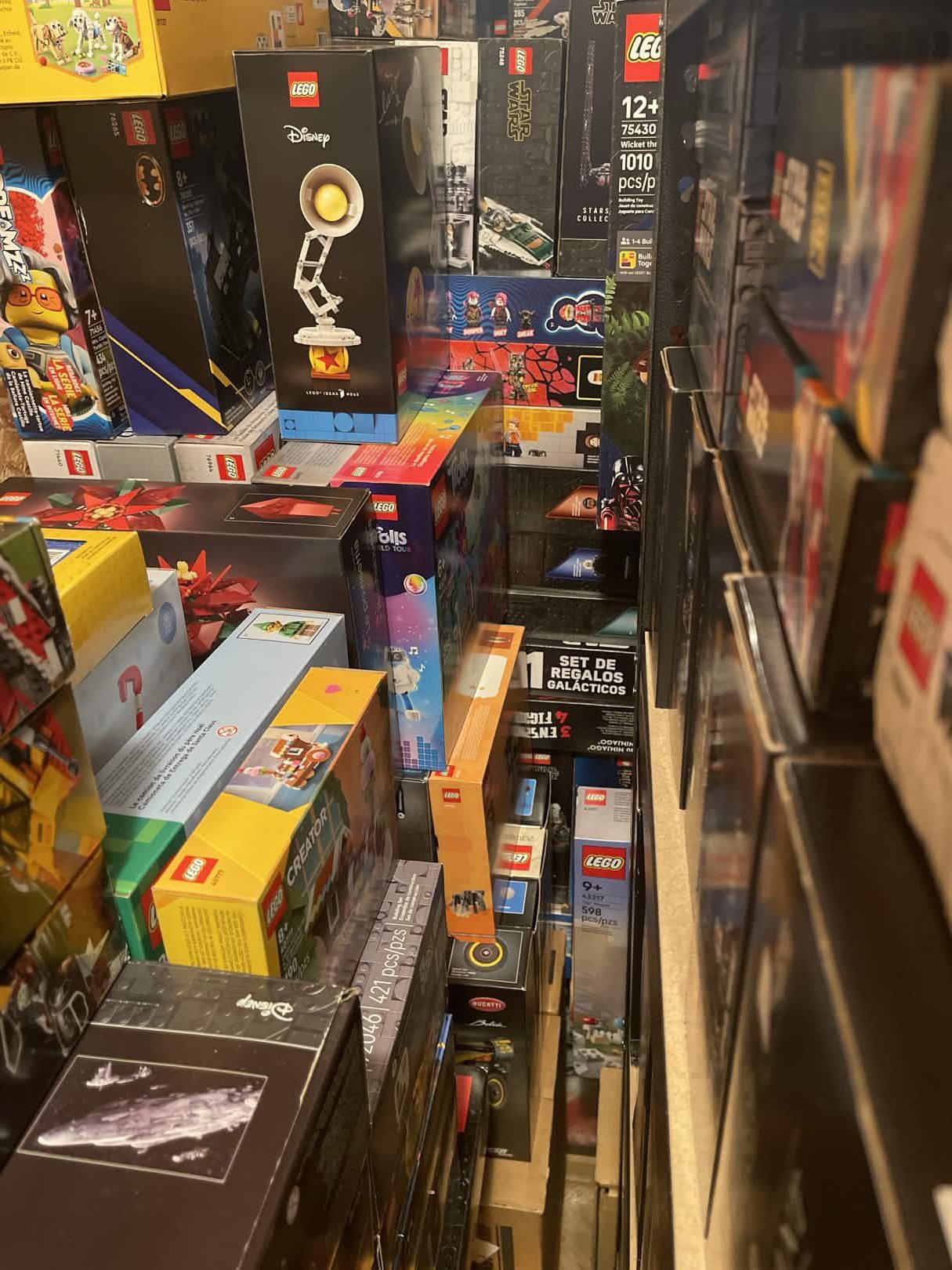
We have spent a genuinely embarrassing amount of money on LEGO in this house. StudSon has a shelf that wraps around two walls of his room. There is a display case in the living room that StudMom tolerates with admirable patience. I have opinions about price-per-piece ratios the way some people have opinions about wine. And after all of it, here is my actual answer to whether LEGO is worth the price:
Not always. And a lot of people are paying full price for sets they absolutely should not be paying full price for.
The price-per-piece metric is useful and also kind of a lie
If you spend any time in LEGO communities you will hear about price per piece. The rough benchmark the community uses is around ten cents per piece as a fair price for a standard set. Above that and you are probably overpaying. Below that and you are probably getting good value.
It is a decent starting point and it is also incomplete in ways that matter.
A set with 200 large simple pieces is not the same as a set with 200 small detailed pieces. A Technic beam is not the same as a printed tile. And the benchmark breaks down completely the moment a licensed logo shows up on the box. Star Wars, Harry Potter, Disney, Formula 1 — those IP rights cost real money, and LEGO passes that cost to you whether the individual pieces justify it or not.
I wrote about the licensed sets price problem in a previous post if you want the full breakdown with LEGO’s own numbers. The short version: licensed sets run roughly 20% more expensive than equivalent unlicensed sets on a piece-for-piece basis. That gap is real, it has been documented, and it is not going anywhere because those licenses are not getting cheaper.
So price per piece tells you something. It just does not tell you everything.
What actually makes a set worth buying
Does the build experience earn the time? A 950-piece set takes a real evening. If you get to the end and feel like the building itself was satisfying, that matters. If you get to the end and feel like you were just following instructions for three hours, that is a different story.

The LEGO Bumblebee (10338) is the clearest example of a set that earns the time. Figuring out how that transformation mechanism works as you build it is genuinely interesting engineering. You are not just following steps. You are understanding something. That experience has real value and it is the kind of thing that justifies a full MSRP buy without a second thought.
Does it actually get used? This is StudSon’s test and honestly it is the right one. A set that gets played with, swooshed around, transformed twenty times in a row, set up in different configurations, and shown to every friend who comes over — that set was worth it. A set that gets built once, sits on a shelf, and gets forgotten in three weeks was probably not.
Will it hold its value? LEGO has a strange secondary market. Certain sets, especially Icons and retiring sets, hold or appreciate in value in ways that make the original purchase price feel more reasonable in retrospect. Not every set does this. But it is worth knowing whether the set you are eyeing is the kind that gets harder to find over time or the kind that ends up at 30% off in a clearance bin six months later.
What did you actually pay? This one sounds obvious and it is the one people ignore the most.
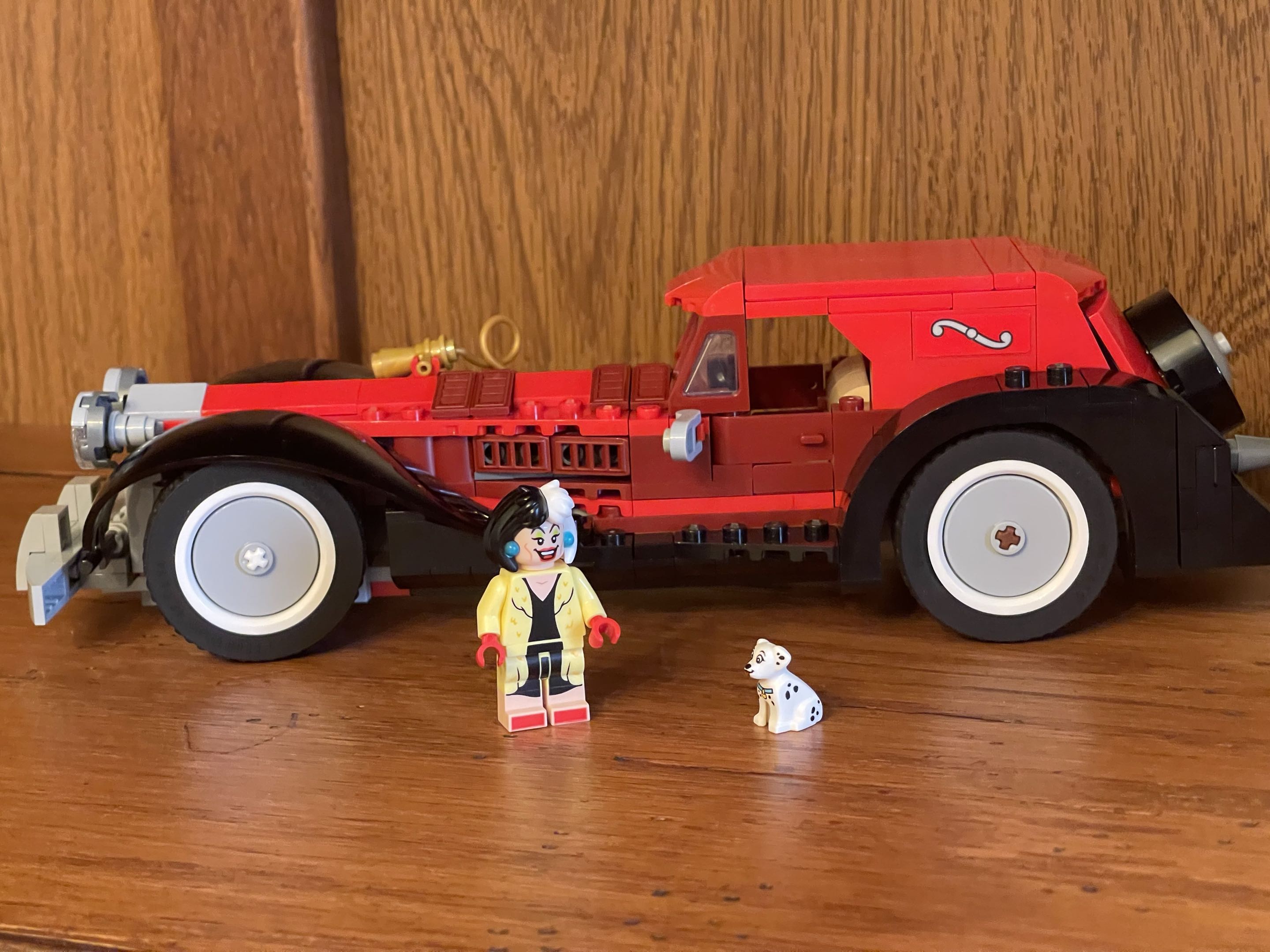
The Cruella De Vil car is a fine build at $40. At $49.99 it is a Disney licensing premium I would rather skip. The LEGO TIE Fighter Smart Brick set is a genuinely fun experience at $55. At $69.99 I am paying for technology and Star Wars rights at a price point that does not feel earned. The set did not change. The price did. That distinction is everything.
When LEGO is definitely not worth it
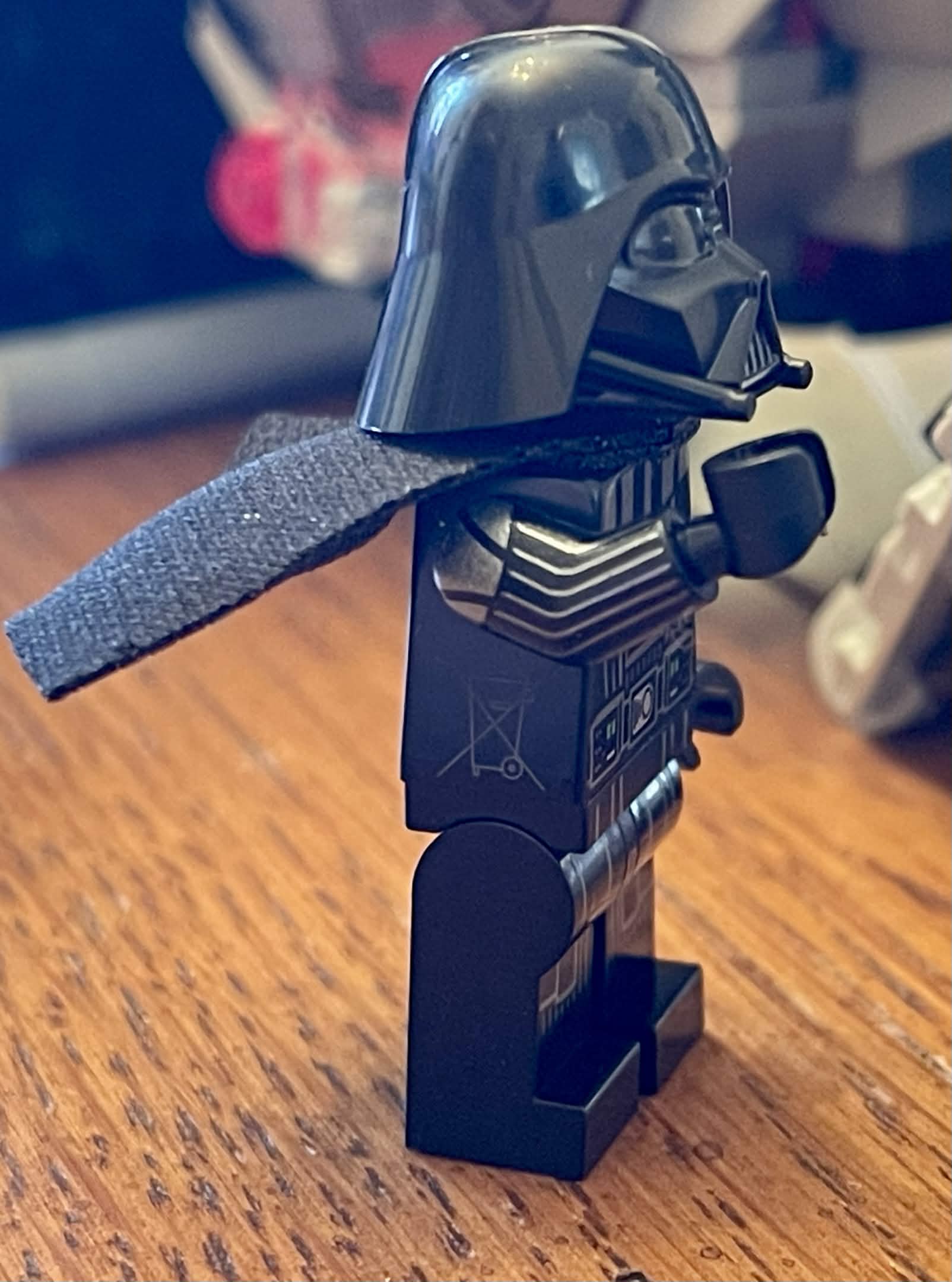
Full price on a licensed set you have no real connection to. If you are buying it because it looks cool in the store and you do not actually care about the IP, you are paying the IP premium for no reason. Buy the equivalent unlicensed set and save the difference. Nobody who does not care about Star Wars should be paying the Star Wars price.
Any set that goes on sale regularly. Some sets sit at full price because they sell out. Others bounce between MSRP and 20-30% off every few months like clockwork. If a set has a history of going on sale, and most do, there is no reason to pay full price unless the timing genuinely matters to you. Set a price alert and wait. It will go on sale.
Sets where the price is mostly packaging and marketing. LEGO has gotten better about this but it still happens. There are sets where the box is more impressive than what is inside it. The piece count does not justify the price, the build experience is not particularly interesting, and the finished model is something you would forget about quickly. Those sets exist and the right verdict for all of them is skip it.
StudSon’s take, which is actually the most useful framework
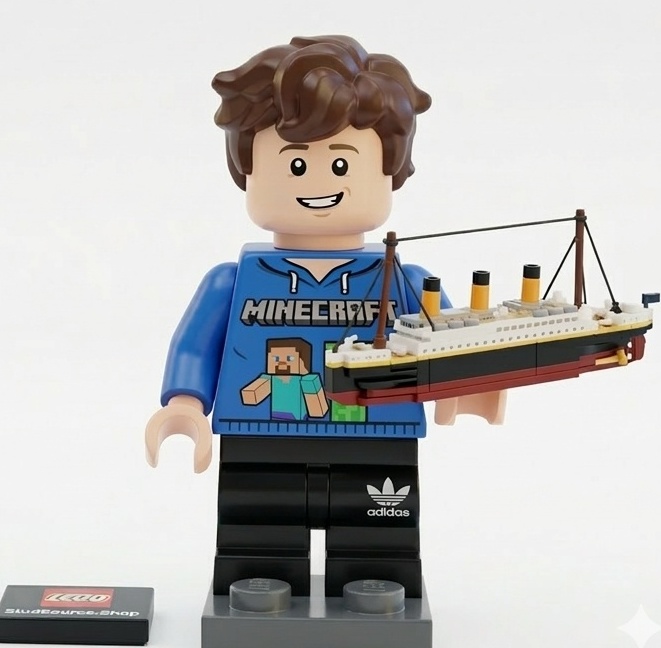
I asked StudSon if LEGO is worth the price. He thought about it for approximately two seconds and said: “If I play with it a lot, yes. If I build it and then just look at it, probably not.”
That is it. That is the whole thing.
Nine years old, no complicated price-per-piece analysis, no spreadsheet, no licensed IP premium calculation. Just: did I actually use it or did I just want to have it?
Adults buy a lot of LEGO based on wanting to have it. Kids buy LEGO based on wanting to use it. The kids are usually making better purchasing decisions.
The actual answer
LEGO is worth the price when you buy the right set at the right time. That sounds like a non-answer but it is the honest one. A set that is genuinely great at full MSRP is worth buying at full MSRP. A set that is merely good at full MSRP is worth buying at 20% off and not worth thinking about otherwise. A set that is licensed and mediocre at full price is not worth buying at any price unless that IP genuinely means something to you.
The whole point of what we do here is to tell you which category a set falls into before you open your wallet. Every set we review gets a verdict: Buy It, Wait for a Sale, Buy Before It’s Gone, or Skip It. Not because we enjoy being opinionated, though we do, but because “it depends” is not a useful answer when you are standing in a store holding a $90 box.
Check the reviews before you buy. Your wallet will thank you. StudSon’s room definitely does not need any more sets, but at least the ones in there were worth it.